Designing For Flow: Rubber Flooring in the UK
A look at a conversation with an A&D expert and what a flooring supplier can learn
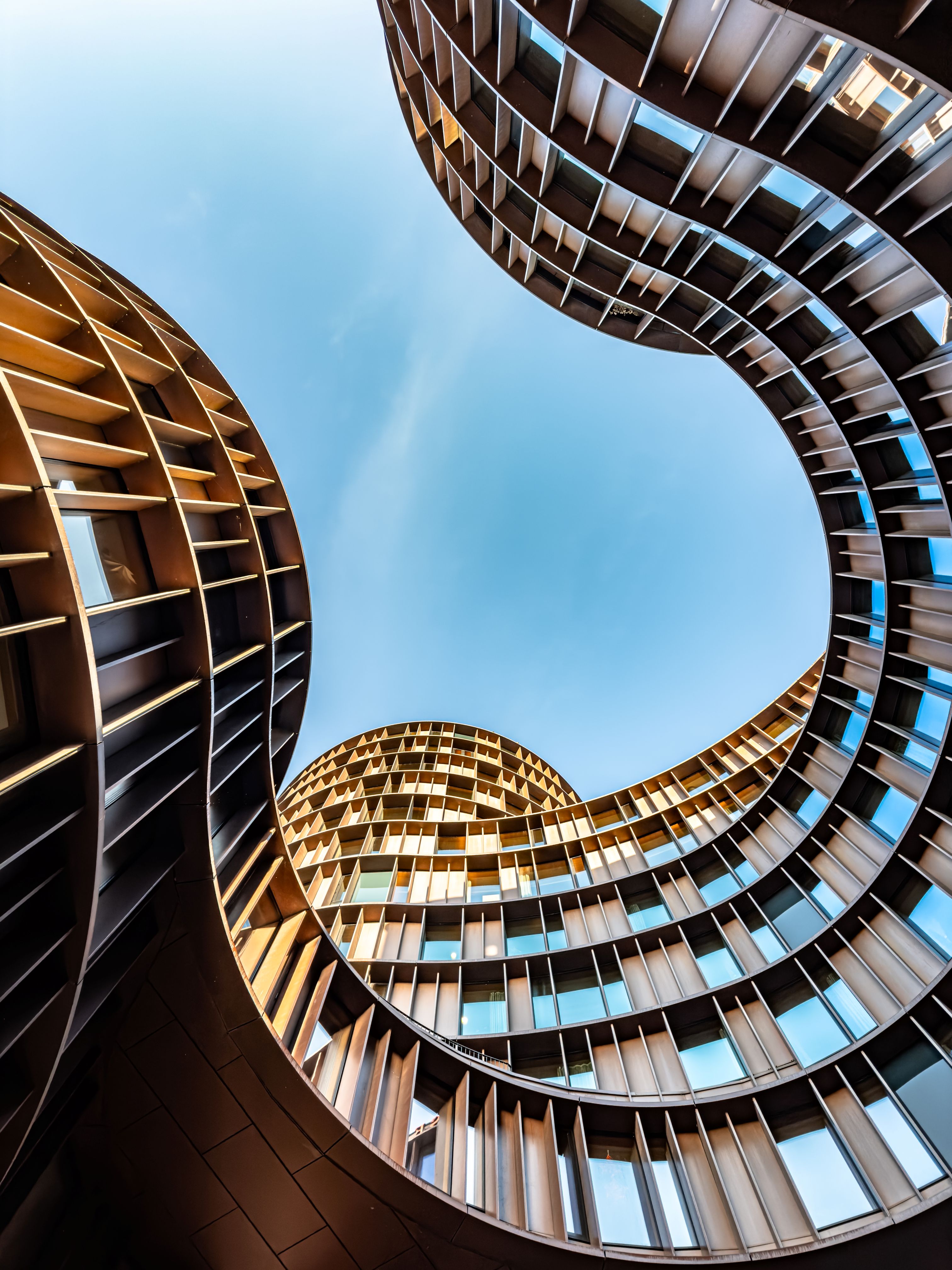
In episode 6 of the Things I’ve Learnt podcast, Zaha Hadid Architects’ Patrik Schumacher speaks about architecture as an evolving language — one that responds to complexity, adapts to its environment and embraces the continuous flow of form and function. As a company that hopes to continually offer products that speak directly to the design community’s needs we try to listen and respond and here are a few reflections after this insightful conversation.
The conversation shared by the Mix Interiors team calls for spaces that evolve with the patterns of modern life – as flooring professionals we therefore need to be supplying materials that meet this adaptability. As a standard, products should be offering flexibility of use, resistance to wear and they need to support environments built around human movement. In many cases flooring design may not need to be an element that shouts for attention but it should fundamentally assist with translating architectural ambition into tactile experience.
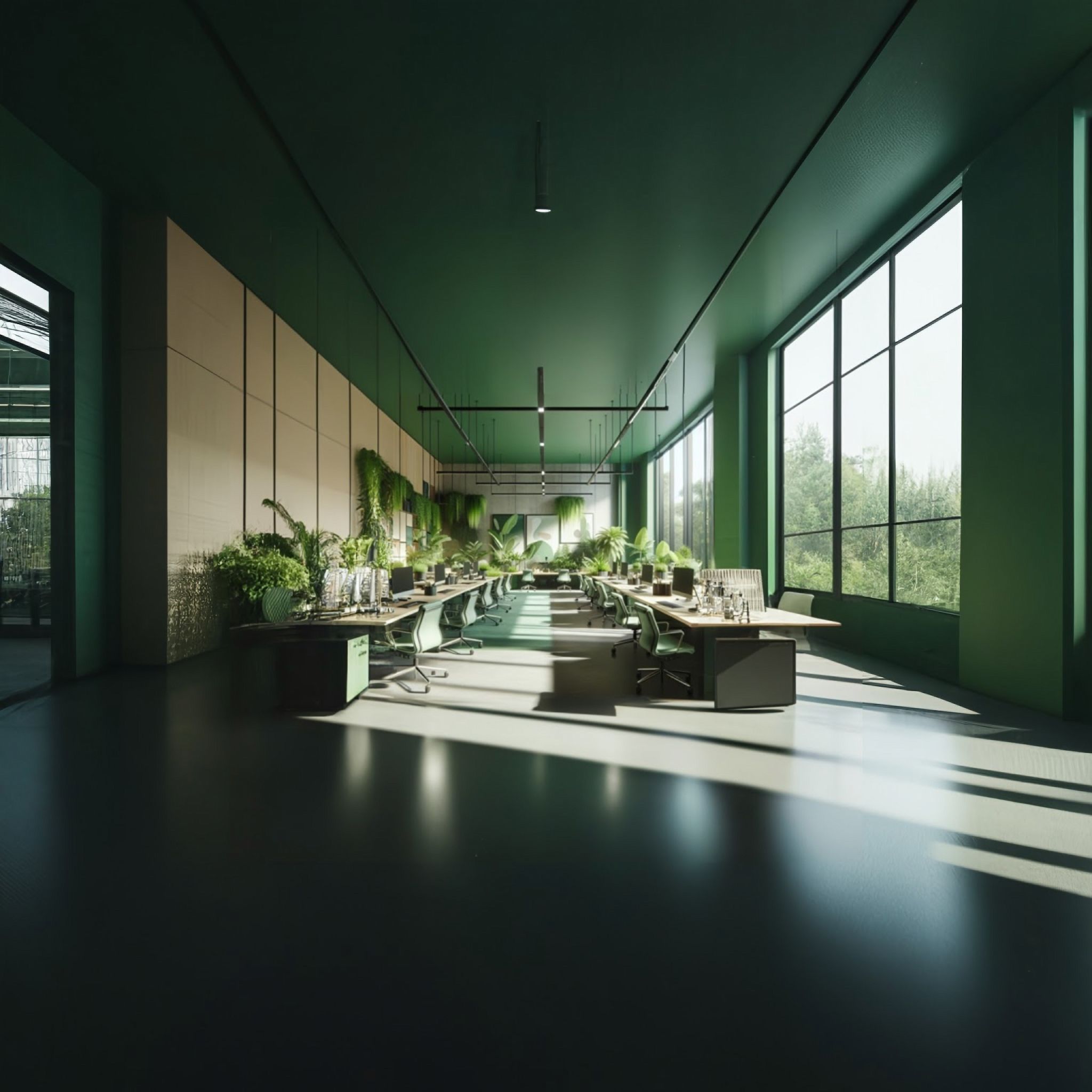
In offices, laboratories and education buildings, the shift toward fluid layouts and adaptable working zones mirrors this conscious move away from rigid, repetitive systems. Artigo Rubber flooring’s ability to be cut, coved and integrated into continuous surface designs aligns with this sensibility — enabling smooth transitions between zones, quiet acoustics and a sense of spatial coherence that matches the logic of contemporary form-making.
There’s also a sustainability thread here. The podcast reflections on architecture’s responsibility within larger social systems echo the need for durable, low-impact materials. Artigo Rubber’s long lifespan, recycled content and low VOC emissions contribute directly to that systemic vision — where environmental intelligence is built into design decisions from the start.
The more we can learn as flooring suppliers the more we are able to adapt to project flooring needs; how materials feel underfoot, how they age and how they contribute to a coherent narrative of space are key elements that we must be increasingly aware of and tackle directly with the products we supply.
In that sense, flooring becomes more than a specification choice. It’s part of the evolving grammar of adaptable, future-focused design — a quiet but essential component in the language of modern architecture.
A big thanks to the Mix Team and Patrik Schumacher for the valuable insights.